If your operation depends on speed, specialized access, or room to scale, a standard industrial site may not be enough. In Waco’s 76705 area, an aviation park location can solve problems that a freeway-only site cannot, but only if your business truly benefits from being next to an active airfield. This guide will help you understand when that premium makes sense, when it does not, and how to compare your options in McLennan County with more confidence. Let’s dive in.
Why 76705 Gets Attention
Waco stands out as an I-35 market with broad regional reach. The City of Waco says the city is about 90 minutes from both Austin and Dallas and within three hours of 85% of Texas’s population. That kind of position matters when you are balancing logistics, hiring, and long-term growth.
The local economic picture also supports more specialized industrial use. Waco Economic Development identifies aerospace and defense, advanced manufacturing, healthcare, professional and financial services, and supply chain management as target industries. For companies in those sectors, an aviation-adjacent site is not just a convenience. It can be part of the operating strategy.
What Makes the Aviation Park Different
The Texas State Technical Airport and Waco International Aviation Park sit in ZIP code 76705 next to TSTC’s Waco campus. TSTC says the airport is less than one mile from I-35 and about eight miles north of downtown Waco. That gives you a mix of highway access and airfield access in one location.
Public Waco sources describe the park as roughly 1,064 to 1,100 acres, with about 250 to 300 acres currently available depending on the source and update date. Waco Economic Development says available tracts range from 10 to 200 acres. That creates flexibility for both smaller users and larger expansion plans.
The infrastructure is a major part of the story. Waco Economic Development highlights airfield-accessible tracts, a two-million-square-foot apron, and about 200 acres of Foreign-Trade Zone land. Broader park materials also note industrial-grade utilities and planned future wastewater expansion.
The airfield itself is what separates this location from a typical industrial park. TSTC lists an 8,600-foot primary runway, a 6,291-foot alternate runway, FAA-certified controllers, AWOS weather reporting, full fuel service, and operating hours from 7 a.m. to 11 p.m. City sources also note uncongested airspace because there is no commercial airline usage.
When Aviation Adjacency Makes Sense
Aircraft-Related Operations
If your business manufactures, assembles, repairs, equips, or supports aircraft, an aviation park location is often the clearest fit. Waco Economic Development and TSTC materials position the park for aviation industry growth, and the broader Waco market already has more than 40 aviation and aviation-related companies. That gives you a stronger operational and workforce argument than you would have in a general industrial setting.
This matters even more if your workflow includes oversized components, specialized testing, or frequent coordination with aviation partners. In those cases, being near an airfield is not just about prestige. It can reduce friction in the day-to-day operation.
Runway-Dependent Businesses
Some companies do not work directly in aircraft manufacturing but still need runway access. If your operation depends on test flights, aircraft movement, or corporate aviation support, the Waco International Aviation Park becomes much more compelling.
The value here is practical. Airfield-accessible tracts, uncongested airspace, and an industrial airport environment can support a business model that would be difficult to execute in a standard business park. If aircraft is central to your operation, not just an occasional tool, this type of site deserves serious consideration.
Import, Export, and Inventory Users
Aviation adjacency can also make sense when trade programs or tax treatment affect your numbers. Waco Economic Development says the park includes 200 acres of Foreign-Trade Zone land, and the property listing notes that the Triple Freeport Exemption is available on the property.
For inventory-heavy users, importers, or companies managing high-value goods, those features may support the larger site-selection case. The key is to verify early whether those benefits align with how your company stores, moves, and classifies inventory.
Employers Needing a Technical Workforce Pipeline
For some users, the strongest reason to choose 76705 is talent. TSTC’s Waco campus sits next to the airport, and TSTC emphasizes real-world aviation and manufacturing training. That can matter if your hiring plan depends on technical roles that benefit from local training infrastructure.
Waco Economic Development says the region’s three airports support more than 4,600 direct and indirect jobs, with combined payroll of $216 million and economic impact of $689 million. If your operation needs a market where aviation and technical work already have a visible footprint, this area offers a stronger case than many similarly sized cities.
When Another Waco Location Is Better
If You Need Truck and Rail First
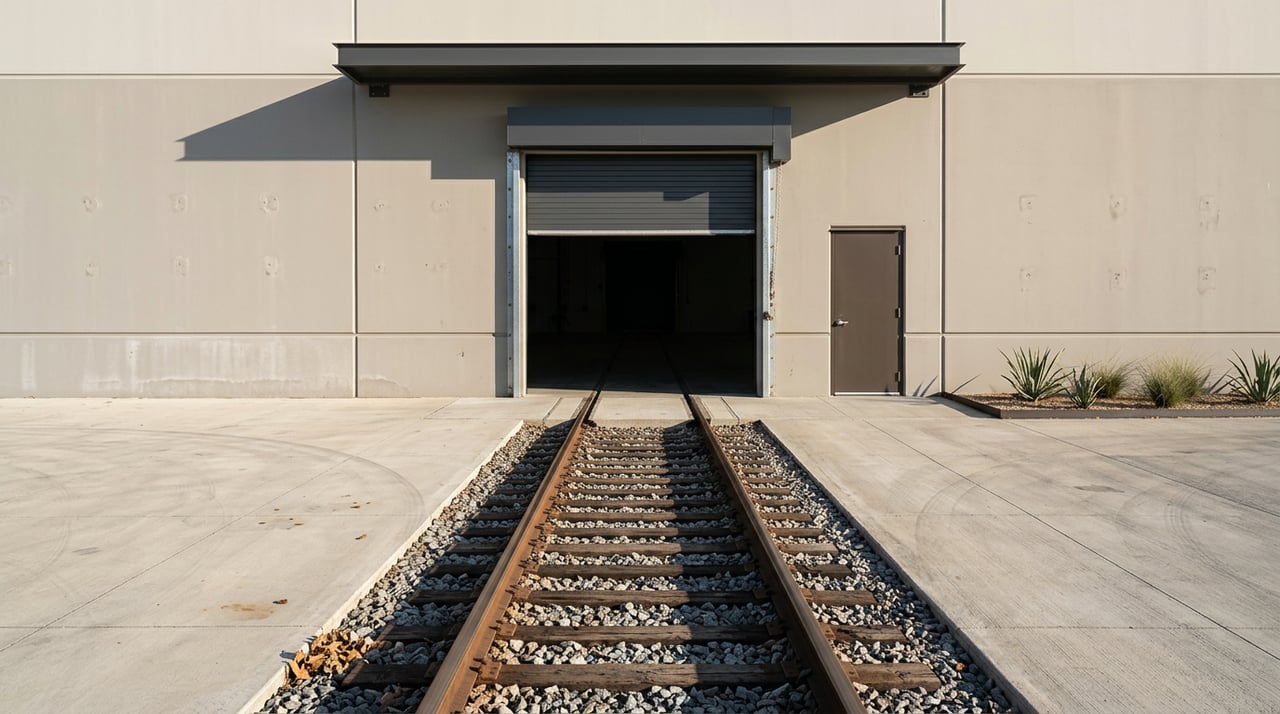
Not every industrial user should pay for airport adjacency. If your business is primarily driven by truck circulation, dock operations, or rail service, Texas Central Park may be the stronger option.
Waco Economic Development says Texas Central Park spans nearly 3,700 acres near I-35 and Highway 84, with utilities in place and Union Pacific rail access. Its tenant mix, which includes large manufacturing and distribution users, points to a profile that fits truck- and rail-heavy operations better than an airfield-oriented site.
If You Need Freeway Access Without Airside Needs
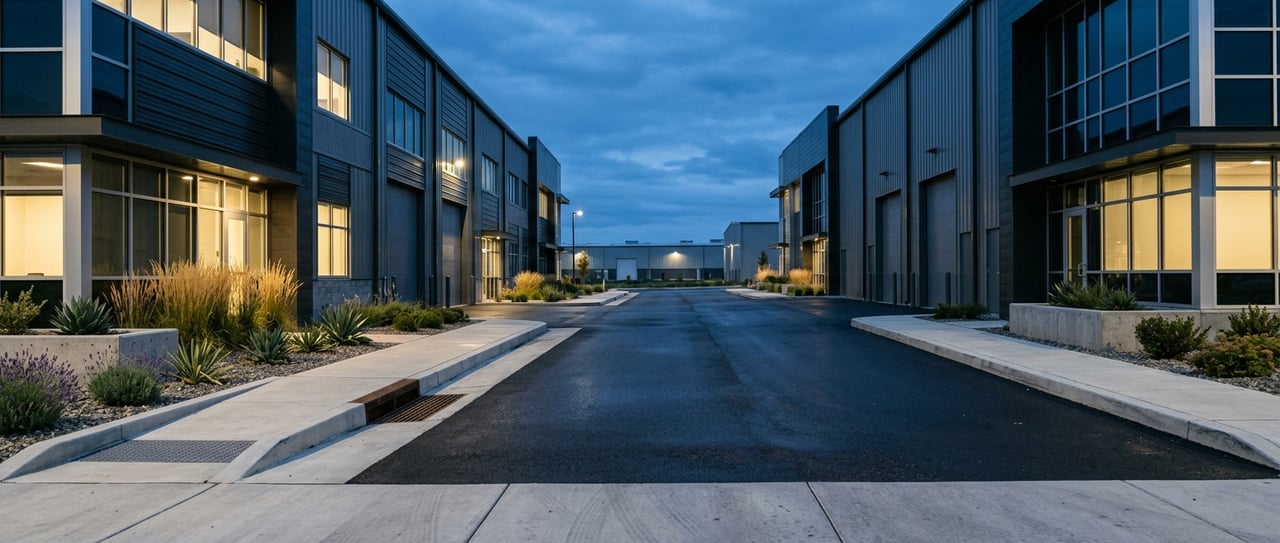
Robinson Business Park may be a better fit if you want utility capacity, freeway access, and room for build-to-suit development but do not need an airport. Waco Economic Development says the park sits at I-35 and Highway 6 and Loop 340 and includes more than 600 acres.
That setting often works well for light industrial or commercial users who want efficient regional access without the added complexity of aviation adjacency. If airside capability is not part of your actual operating plan, a conventional industrial park may offer a cleaner match.
If You Want Airport Access With Commercial Service
The Waco Regional Airport Industrial Park is another important comparison. City of Waco materials say it includes ramp-accessible sites, Foreign-Trade Zone support, and areas designed for FAA compatibility, while Waco Regional Airport also provides commercial service and general aviation support.
For some companies, that model may feel more familiar than TSTC’s industrial-airport environment. If you want airport adjacency but not necessarily the TSTC setting, this is a smart side-by-side comparison.
If Your Project Can Move More Slowly
Lake Waco Business Park appears more suited to phased greenfield or light commercial users that can tolerate a longer setup timeline. A 2024 city planning filing described 108 acres in the ETJ for industrial or light commercial use, with Aqua Texas water, individual septic systems, and a private road right-of-way with private maintenance for two years after completion.
That profile may work for the right project, but it is very different from choosing a more established industrial park with heavier infrastructure already in place. Your timing and utility needs should guide that decision.
Questions to Ask Before You Tour
Aviation park sites are easiest to justify when the business case is clear. Before you spend time touring sites, align your leadership team around a few practical questions.
Core Screening Questions
- Do you need true airside access or only proximity to an airport?
- Will Foreign-Trade Zone land or Triple Freeport treatment materially affect your costs?
- How much truck circulation, dock space, and utility capacity does your operation require?
- Can your timeline absorb wastewater, road, or entitlement build-out if needed?
- Is your hiring plan tied to TSTC or the broader local college pipeline?
- What does your three- to five-year growth plan require that your current site cannot provide?
Those questions help separate a real aviation use case from a standard industrial requirement. In many cases, that distinction saves time and prevents you from chasing a site that looks impressive but does not fit your operation.
Why a Side-by-Side Review Matters
The Waco market gives you several legitimate industrial location options, and each serves a different operating model. The wrong choice can lead to avoidable costs, slower expansion, or infrastructure mismatches that show up after the lease or purchase is signed.
That is why a side-by-side review matters. Comparing parks based on access, utilities, timeline, workforce alignment, and long-term operating needs is usually more valuable than focusing on price alone.
City and regional economic development groups also provide support for site selection, research, incentives, and utility coordination. Those resources can help, but your internal operating plan still needs to drive the decision.
A Practical Way to Decide
If aircraft movement, aviation support, or specialized technical hiring are central to your business, an aviation park location in 76705 may be the right strategic move. If your operation is really about trucks, rail, freeway access, or standard warehouse flow, another Waco-area industrial park may serve you better.
The best decision usually comes from pressure-testing the site against how your business actually runs today and how you expect it to run in the next several years. A disciplined review now can protect your flexibility later.
If you are weighing industrial, aviation-adjacent, or land opportunities in Waco and Central Texas, Kelly Realtors Commercial can help you compare sites, evaluate fit, and move forward with a strategy that matches your operation.
FAQs
When does an aviation park location make sense for a business in Waco 76705?
- An aviation park location makes the most sense when your operation benefits from airfield access, test flights, aircraft support activity, technical workforce alignment, or site features such as FTZ land and available large tracts.
What features does the Waco International Aviation Park offer in McLennan County?
- Public Waco and TSTC sources describe features that include 10- to 200-acre tracts, airfield-accessible sites, a two-million-square-foot apron, industrial-grade utilities, about 200 acres of FTZ land, and proximity to I-35.
Is the Texas State Technical Airport in Waco 76705 suited for industrial users?
- Yes, for the right user. TSTC lists an 8,600-foot primary runway, a 6,291-foot alternate runway, FAA-certified controllers, fuel service, AWOS weather reporting, and operating hours from 7 a.m. to 11 p.m., which can support aviation-related industrial activity.
What Waco industrial parks should you compare to an aviation park site?
- Strong comparison points include Texas Central Park for truck and rail-oriented operations, Robinson Business Park for freeway-served industrial development, and Waco Regional Airport Industrial Park for airport adjacency with a different operating environment.
How should you evaluate whether airport adjacency is worth it for your operation?
- Start by reviewing whether you need airside access, what your utility and circulation needs look like, whether FTZ or Freeport treatment matters, how your hiring plan connects to local training, and what your three- to five-year growth plan requires from the site.