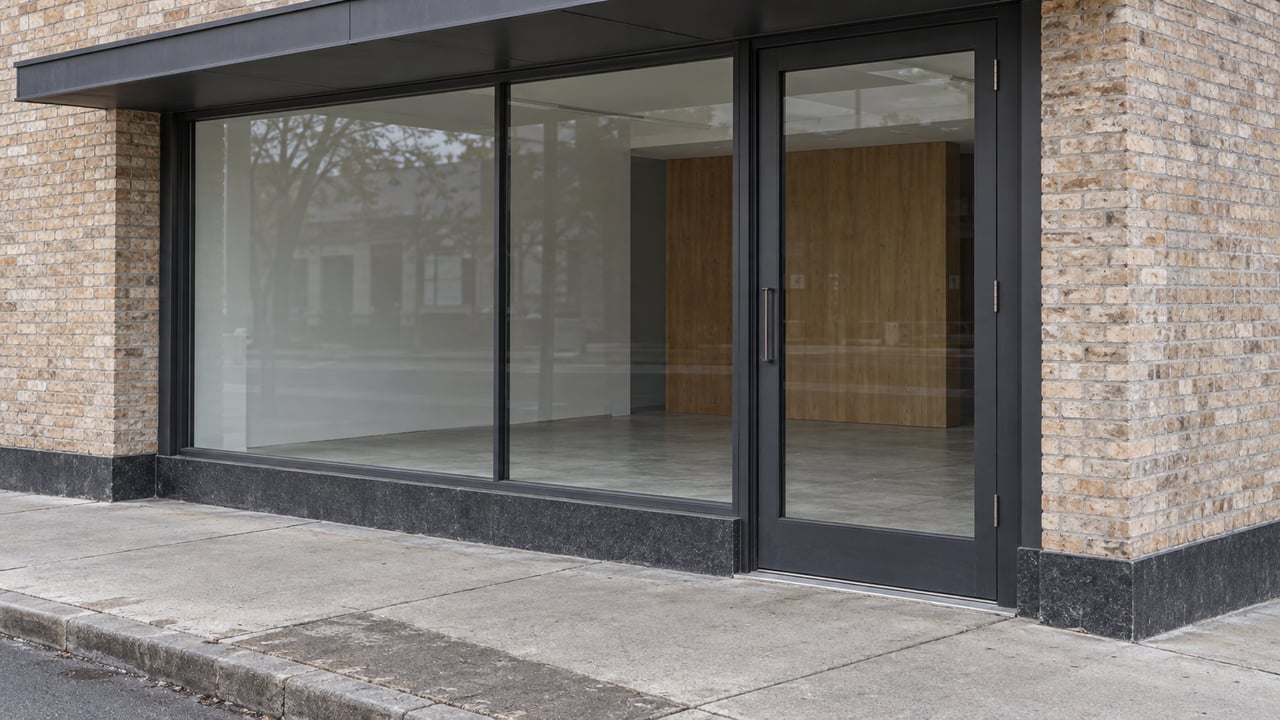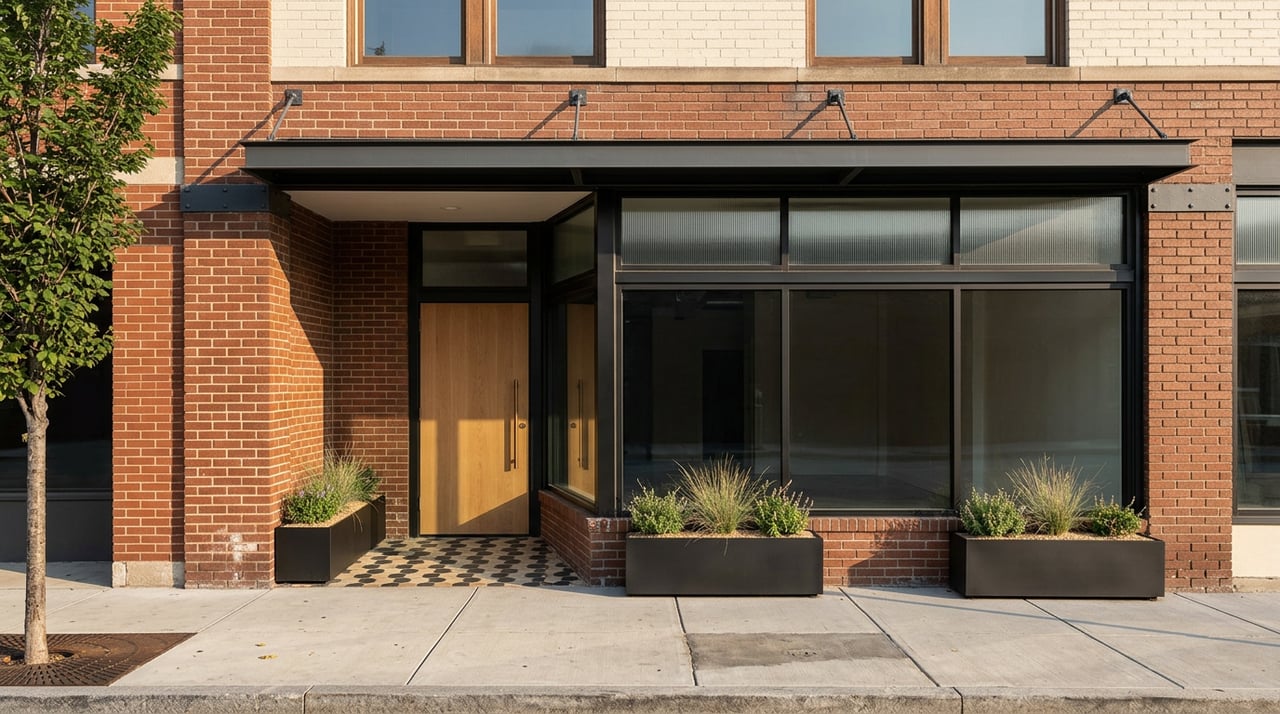
Walk Elm Avenue on a Saturday morning and the corridor tells one story: farmers market crowds at Bridge Street Plaza, live music, families on new sidewalks, a coffee line at Street Dog Cafe. Walk it on a Tuesday afternoon and it tells a different one: half the storefronts between MLK Boulevard and Garrison Street are older masonry buildings whose interiors have not been touched in a generation.
Both stories are true, and both matter if you are pricing a lease here. The mistake most tenants make on Elm is reading the Saturday story and underwriting the Tuesday building. The corridor's economics right now sit inside that gap.
The friction that shows up after you sign
Elm's supply is small, historic, and often two or three ownership hops away from being tour-ready. The city's own capital improvement staff has said the biggest engineering hurdle on the corridor is pulling utility infrastructure off Elm and into the alleys, a hangover from decades of layered fixes. Crews working phase one of the streetscape project unearthed a second set of inter-urban rail tracks encased in concrete under the northbound lane, running parallel to another set found the summer before. That kind of below-grade surprise is not a city problem alone. It is a preview of what happens when a tenant opens a wall or trenches a floor for a grease line.
Clint Peters, the City of Waco's Director of Development Services, has framed the East Waco stock plainly: older neighborhoods carry more complexity, especially when bringing out-of-compliance properties up to modern standards. Translated into a lease negotiation, that means three specific numbers a tenant should get in writing before signing:
- The condition of the existing utilities at the meter and to the fixture, not just to the property line
- Whether the landlord's delivery includes a Certificate of Occupancy or a shell only
- Whether ADA path-of-travel work triggered by your buildout falls to you or the owner
None of this is unique to Waco. What is unique is that the corridor has enough public dollars flowing through it that the answers are often better than a tenant assumes, and enough small owners that the answers are often worse. The only way to know is to ask, in writing, before the LOI hardens.
What the streetscape actually bought the corridor
The public spend on Elm is real and it is finished on the stretch that matters most for retail. Between MLK and Garrison, the city has replaced roadway, sidewalks, storm drains, waterlines, lighting, and ADA ramps in a rebuild the public works team has described as a $10M+ total investment. A separate $6.7M capital project covers the Clifton-to-MLK segment, and a $5.5M conversion of Bridge Street into a pedestrian-oriented festival street ties Elm directly into the river and the Suspension Bridge walkway.
You can see the return in the tenant list already on the ground:
- Revival Eastside Eatery at 704 Elm, in the former Waco Community Baptist Church
- Brotherwell Brewing off Elm on Bridge Street
- Marilyn's Gift Gallery at 818 Elm, open since 1989
- OTB Cyclery at 720 Elm
- Tony DeMaria's Bar-B-Que in the 1000 block, on Elm since a 1990s move from its original 1946 location
- Todd's Flowers and GG's Flower Hut, both operators who worked through the construction years
- Street Dog Cafe, added post-streetscape
This is the correct mix to underwrite against: a small handful of destination food and beverage anchors, longtime service retail, and one arts nonprofit block. It is not a mall co-tenancy analysis. It is a walkable corridor where each door has to pull its own weight on weekdays and ride the weekend surge.
The demand stack forming next door
The thesis a tenant should hold about Elm right now is that the streetscape is the floor, not the ceiling. The corridor's near-term economics are being set by what is going up around it.
At the river end, hotelier Kenny Bhakta's $21.7M plan for three four-story hotels near Bridge Street and MLK secured a $3.2M commitment from the downtown Tax Increment Financing Zone board, and coverage from Center City Waco has previously pegged the room count at more than 300. The Kinkeade family's 101 Elm project adds 31 apartments in a three-story building with rooftop views back to downtown, with two units designated as workforce housing at roughly half of market rent. Cultural Arts of Waco's landmark building at 418 Elm entered a phase-one stabilization in January 2026 through a donated buildout from Placemaker Pro and Aerodyne Pro, clearing the path for expanded Art on Elm programming.
Layer those together and the retail question changes. A lease signed today is not being priced against 2024 pedestrian counts. It is being priced against the room-night demand and resident base coming online across the next 24 months, plus the Saturday farmers market that Councilmember Andrea Jackson Barefield has called the corridor's entry point for entrepreneurship.
Where the incentives actually help, and where they don't
Elm sits inside a Tax Increment Reinvestment Zone, and TIRZ dollars have already funded the streetscape's most visible pieces. TIF has also been used at the project scale, most notably in the Bhakta hotel commitment. The city has said it is streamlining review for East Waco projects that involve infill housing and historic renovations.
What this means for a small retail tenant is narrower than the headlines suggest.
Public incentives on Elm have consistently favored capital projects with vertical construction, façade work, or infrastructure impact, not operating tenants signing a five-year lease in an existing shell. A restaurateur cannot walk into TIRZ and ask for tenant improvement money the way a hotel developer can. What a restaurateur can do is push the landlord to source those dollars, since the improvements attach to the building. Owners on Elm who have gone through the streetscape years are more familiar with the process than a first-time tenant realizes. If the space needs a new storefront, ADA-compliant restrooms, or grease interceptor work, ask whether the landlord has explored TIF-eligible improvements before agreeing to eat those costs inside a TI allowance.
The city has also renovated a demonstration 700 block at a project cost publicly reported around $789,530 as the template for the finished look. Tenants underwriting a space adjacent to that block are effectively getting an amenity paid for by someone else. That belongs in the rent conversation, not against it.
Underwriting a lease on Elm today
Three items should sit at the top of any tenant's checklist before rent even comes up.
Building condition, verified. Get a Phase I environmental review and a mechanical, electrical, and plumbing walk on any pre-1980 building on the corridor. The rail-track discovery under the roadway is a reminder that Elm's ground has memory. So do its walls.
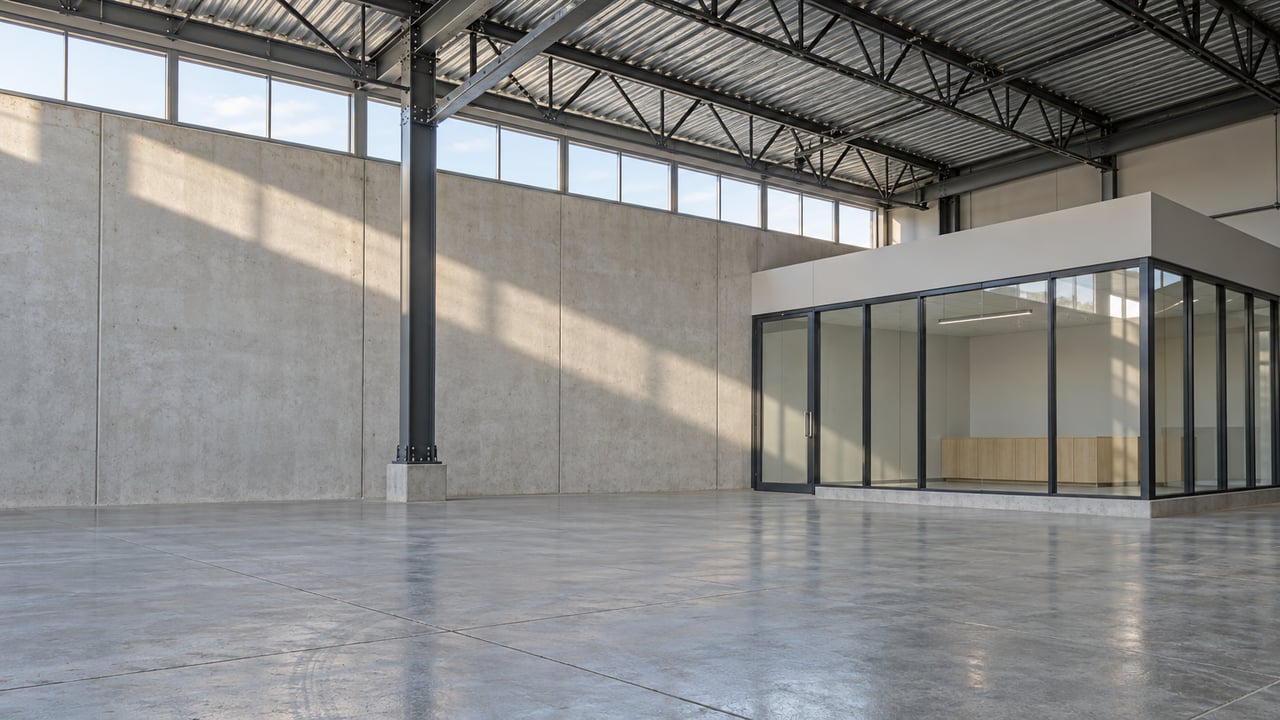
Delivery language, specific. "Vanilla shell" means different things to different owners on Elm. Define it: HVAC tonnage delivered, single-phase or three-phase power to panel, water and gas line sizes stubbed to a location you specify, restroom rough-in count, and demising walls to deck or to ceiling grid.
Co-tenancy and construction timing. Bridge Street's pedestrian conversion, the Bhakta hotels, and the 101 Elm apartments each carry their own construction windows. A café that opens six months before the first hotel opens has a very different first-year P&L than one that opens six months after. Ask for the current permit status on the adjacent projects and adjust your ramp.
Rent itself, on Elm, is still moving. Small-bay retail on active pedestrian corridors nationally is tighter than the metro-wide average would suggest, and Elm's finished streetscape plus adjacent demand generators pull it into that category. The corridor is not priced like Austin Avenue and it should not be, but it is also no longer priced like the sleepy Elm of 2018. Deals signed in the next twelve months will set the comps that the next tenant negotiates against.
FAQ
Is Elm Avenue considered part of downtown for leasing purposes? Practically, yes. The corridor sits inside the same TIRZ and is walkable to the Suspension Bridge, McLane Stadium, and the Waco Downtown Farmers Market. Rent and tenant mix behave differently than the Austin Avenue core, but the demand drivers overlap.
Are there restrictions on signage or storefront changes tied to the streetscape? The city held recurring meetings with the North East Riverside Neighborhood Association during design, and the finished look reflects specific community requests including brightly colored light poles and railings. Any exterior change should be run past Development Services early, since streamlined review is offered on Elm but not automatic.
What kind of tenant does the corridor actually support right now? Independent food and beverage, arts and cultural venues, boutique retail, and service businesses tied to the resident and hotel base that is coming online. National credit tenants are not the fit here, and pricing them into a pro forma is a mistake.
Kelly Commercial has worked Waco commercial real estate since 1992 and represents tenants, owners, and investors across the Downtown and Elm Corridor market. If you are pricing a storefront on Elm or evaluating a building for acquisition on the corridor, the team at Kelly Realtors Commercial can walk the space with you and pressure-test the deal before you sign. Let's Get Started.