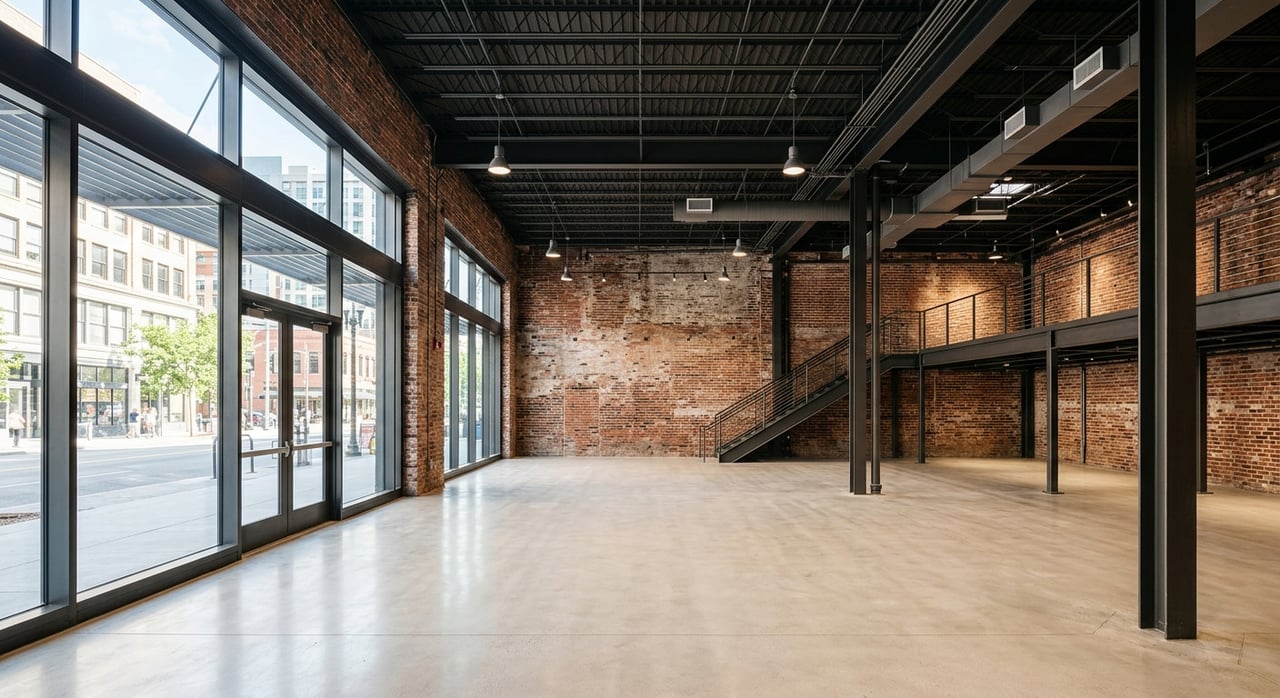
If you are planning a retail or restaurant lease in Downtown Waco, the space you choose can shape your business long before opening day. A storefront may look perfect on a tour, but zoning, occupancy rules, historic review, parking, and build-out needs can change the real cost and timeline fast. The good news is that with the right planning, you can avoid expensive surprises and choose a site that fits how your business will actually operate. Let’s dive in.
Why Downtown Waco leasing is different
Downtown Waco is in the middle of a long-term redevelopment effort covering more than 100 acres along the Brazos River. The city’s stated vision is a more connected, walkable urban core organized into five districts, which means lease decisions here are tied closely to how streets, buildings, and public spaces are being shaped over time.
For you as a tenant, that matters because Downtown Waco does not function like a suburban shopping center. Frontage, pedestrian access, alley service, curb access, and surrounding streetscape can matter just as much as square footage. In many cases, an older downtown building may offer great character and visibility, but it can also come with added review and improvement requirements.
Know the downtown setting first
Mixed-use corridors shape your options
The city’s planning documents classify key downtown corridors differently, and that can help you set expectations before you tour. Austin Avenue from 3rd to 18th Streets is identified as Mixed Use Core, while Austin from 18th to 26th, Elm Avenue, and 15th/Colcord are identified as Mixed Use Flex areas.
In practical terms, that often means you will see dense blocks, adaptive-reuse opportunities, and flexible mixed-use buildings instead of newer pad sites. If your concept depends on patios, delivery flow, walk-in traffic, or strong storefront exposure, the surrounding block pattern should be part of your site analysis.
Elm Avenue and Austin Avenue function differently
Elm Avenue has a long history as a commercial corridor, and current improvement planning supports retaining on-street parking while improving lighting, sidewalks, and streetscape materials. That can be a strong fit for boutique retail and restaurant users who benefit from curb visibility and pedestrian traffic.
Austin Avenue, by contrast, sits in a more traditional downtown setting with established urban blocks and time-limited parking in some areas. If you are comparing corridors, it helps to think beyond rent and ask how customers will arrive, park, and approach the space.
Confirm use before you negotiate
Zoning and overlays come first
Before you spend much time on a site, confirm that your intended use is allowed. Waco’s Downtown Overlay District is designed to support active downtown uses, but overlay rules can be more restrictive than the underlying zoning district.
If the property is also within a historic overlay area, that adds another layer of review. A space that worked for one tenant may not automatically work for your concept, especially if you plan exterior changes, signage, or a different operating model.
A tenant change is not always simple
One of the biggest lease-planning mistakes is assuming you can move into a former shop or restaurant with little review. Waco requires a Certificate of Occupancy before initial occupancy and when there is a change in occupancy classification, tenancy, ownership, business name, or type of business.
The city specifically identifies converting retail to restaurant as a change in use. That means even if the space looks ready, your timeline and costs may change based on what the city determines is required for your specific use.
Understand what kind of approval path you need
Commercial Check vs. full permit work
If the space is already built out and you are not planning interior alterations, Waco may use a Commercial Check to confirm the space is safe and compatible with your intended use. That can be a more straightforward path for some tenants.
If you plan to add a kitchen, rework plumbing, change walls, update mechanical systems, or make other interior improvements, you will likely need the appropriate building permits instead. This is why it is smart to understand your approval path before finalizing lease economics or opening dates.
The city checklist should guide early planning
Waco’s pre-development checklist is useful because it lays out the categories you may need to address. Depending on the site and use, that can include building permits, setbacks, parking, sign permits, landscaping and buffering, stormwater, health review, fire review, sanitation, and right-of-way work.
The city also states that adopted minimum building standards include the 2024 editions of major building, fire, plumbing, mechanical, and fuel gas codes effective January 1, 2026. For a tenant, the takeaway is simple: code compliance is not something to sort out after the lease is signed.
Restaurant users should dig deeper into infrastructure
Food service needs more than a nice dining room
Restaurant spaces usually require more due diligence than standard retail spaces. Waco-McLennan Public Health permits and inspects food establishments and applies local and state food rules whether the business is opening in an existing building or a new one.
The health district also makes clear there is no grandfather clause. In other words, an older building does not avoid current food establishment requirements simply because it has been there a long time.
Check the costly items early
Before you sign a lease, confirm whether the space can support the systems your operation needs. The city’s food establishment guidance highlights issues such as grease traps, backflow control, air gaps, hand sinks, mop sinks, three-compartment sinks, hot water capacity, and cleanable utility routing.
These are not small details. They can affect construction budgets, landlord work letters, opening schedules, and whether a location is truly feasible for your concept.
Older buildings need practical review
Downtown Waco includes many older and historic properties, which can be a major advantage for visibility and character. It can also mean you need to pay closer attention to life-safety and access conditions before you commit.
During a Commercial Check, the city reviews items such as a posted address, prior work completed with permits, occupancy load, egress components, exit lighting, emergency lighting, and other basic hazards. If you are considering a second-generation space, that review can help reveal whether the space is truly plug-and-play or only appears that way.
Historic status can affect cost and timing
Exterior changes may need added review
Downtown Waco includes a National Register historic district, and the city says many downtown properties are eligible for historic tax credit programs. Historic sites may also require certificates of appropriateness for certain exterior work.
That matters if your concept needs a new storefront treatment, exterior venting, patio changes, façade work, or visible equipment. Even when the location is attractive, exterior changes may require a more careful approval process than you expect.
Incentives may also be available
Historic properties do not only create extra steps. The city notes that local tax exemptions and permit fee refunds may be available for qualifying historic landmarks, and state or federal rehabilitation credits may apply to income-producing historic buildings.
If you are weighing an adaptive-reuse site, these incentives can be part of the financial picture. They should be reviewed early alongside the lease terms and construction scope.
Parking and access deserve real attention
Public parking helps, but operations still matter
Downtown Waco offers free public parking lots, garages, and on-street parking. Even so, customer parking should still be part of your lease planning because the practical experience matters more than the general availability of spaces.
For example, the city notes that Austin Avenue weekday parking has a two-hour limit and identifies the city garage at 4th and Franklin, with the entrance facing an alley parallel to Austin Avenue. For some businesses, that setup works well. For others, it may affect customer habits, employee parking plans, or pickup flow.
Parking standards are use-specific
Do not assume a restaurant can rely on the same parking standard as a retail shop or office tenant. Waco points applicants to the off-street parking table in the zoning ordinance, and the downtown overlay may override more general standards if it is more restrictive.
This is one reason a former retail space may not automatically fit a restaurant concept. Use-specific parking requirements can shape site selection, lease negotiations, and whether a location is worth pursuing.
Lease terms to review carefully
A Downtown Waco lease is not just about the base rent. You also need a clear picture of operating costs, responsibility for systems, and how the lease handles changing conditions around the property.
Here are the terms that usually deserve the closest review:
- Lease structure: Gross leases bundle operating expenses into rent, while net leases pass some or all operating expenses to you. Modified leases split expenses by agreement.
- Percentage rent: Common in retail, this adds a sales-based rent component above an agreed breakpoint or threshold.
- Expense responsibility: Clarify who pays taxes, insurance, common area maintenance, utilities, HVAC, parking costs, and structural items.
- Expense limits: Ask whether there is an expense stop or cap on controllable costs.
- Sales definitions: If percentage rent applies, make sure gross sales are defined clearly.
- Co-tenancy or tenant-mix risk: In some retail settings, remedies may apply if expected occupancy or neighboring tenant conditions change.
Retail leases are highly property-specific, and downtown environments make that even more true. A lease that looks workable on page one can become much less attractive once cost allocations, use limits, signage rights, and opening obligations are fully understood.
Signage and street work can be separate approvals
Many tenants assume signage is part of the main permit process, but permanent signs require licensed sign contractors and are not bundled into the building permit. That means your branding timeline may run on a separate track from your interior construction timeline.
If your project also needs a new curb cut, sidewalk tie-in, or other work in the right of way, that requires a separate engineering permit. In a pedestrian-focused downtown setting, these details can affect both timing and design.
A simple lease-planning checklist
Before you sign a Downtown Waco retail or restaurant lease, make sure you can answer these questions:
- Is the intended use allowed under zoning and overlay rules?
- Is this a simple tenant change, or a change of use requiring more review?
- Will the city require a Commercial Check, building permits, or both?
- Does the space support your plumbing, kitchen, ventilation, and health-permit needs?
- Are there historic review requirements for exterior changes?
- How will customers, staff, and deliveries access the site?
- What parking conditions apply in practice, not just on paper?
- Who pays for taxes, insurance, CAM, utilities, HVAC, and structural items?
- Are signage and right-of-way approvals needed separately?
- Does the opening timeline in the lease match the real approval and construction path?
The value of local lease guidance
Downtown Waco offers real opportunity for retail and restaurant operators, especially if you want a walkable setting, strong street presence, and a location tied to the city’s long-term redevelopment story. At the same time, success usually comes from matching the concept to the block, the building, and the approval path before you commit.
A disciplined lease strategy can help you avoid overbuilding, underestimating timelines, or choosing a space that fights your operation every day. If you are exploring Downtown Waco sites, Kelly Realtors Commercial can help you evaluate options, compare lease structures, and move forward with a clearer plan.
FAQs
What should you verify before leasing a Downtown Waco retail space?
- You should confirm zoning, overlay rules, Certificate of Occupancy requirements, parking standards, signage needs, and whether the space requires a Commercial Check or full permit work.
What makes a Downtown Waco restaurant lease more complex?
- Restaurant leases often involve added review for health permitting, plumbing, grease traps, sinks, hot water capacity, ventilation, and use-specific parking requirements.
When does a Downtown Waco tenant need a new Certificate of Occupancy?
- Waco requires a Certificate of Occupancy before initial occupancy and when there is a change in occupancy classification, tenancy, ownership, business name, or type of business.
How does historic status affect a Downtown Waco commercial lease?
- Historic properties may require additional review for certain exterior work, but some qualifying properties may also have access to local tax exemptions, permit fee refunds, and rehabilitation credit opportunities.
Does Downtown Waco have parking for retail and restaurant customers?
- Downtown Waco has free public parking lots, garages, and on-street parking, but actual customer access still depends on the street, time limits, nearby public options, and your business model.