If you are comparing industrial sites in Waco, the challenge usually is not finding access. It is finding the right kind of access for how your business actually operates. You may need visibility, room to grow, freight efficiency, or proximity to a specific transportation asset. This guide breaks down how the Highway 6 corridor compares with other key Waco industrial locations so you can make a more confident site selection decision. Let’s dive in.
Why corridor choice matters in Waco
Waco sits in the Texas Triangle and is within a three-hour drive of four major metro areas and roughly 85% of Texas’s population. The city also highlights four major highways, BNSF and Union Pacific freight rail networks, three local airports, and more than 30 motor carriers as part of its logistics platform. That gives you real flexibility, but it also means each industrial corridor serves a different purpose.
Waco also has enough industrial depth to support multiple submarkets. Manufacturing makes up about 11% of the local workforce, and more than 15,000 acres in 11 business parks are available for manufacturing and related companies. For most businesses, the better question is not whether Waco works. It is which part of Waco fits your freight mode, site size, and expansion plan.
What Highway 6 offers
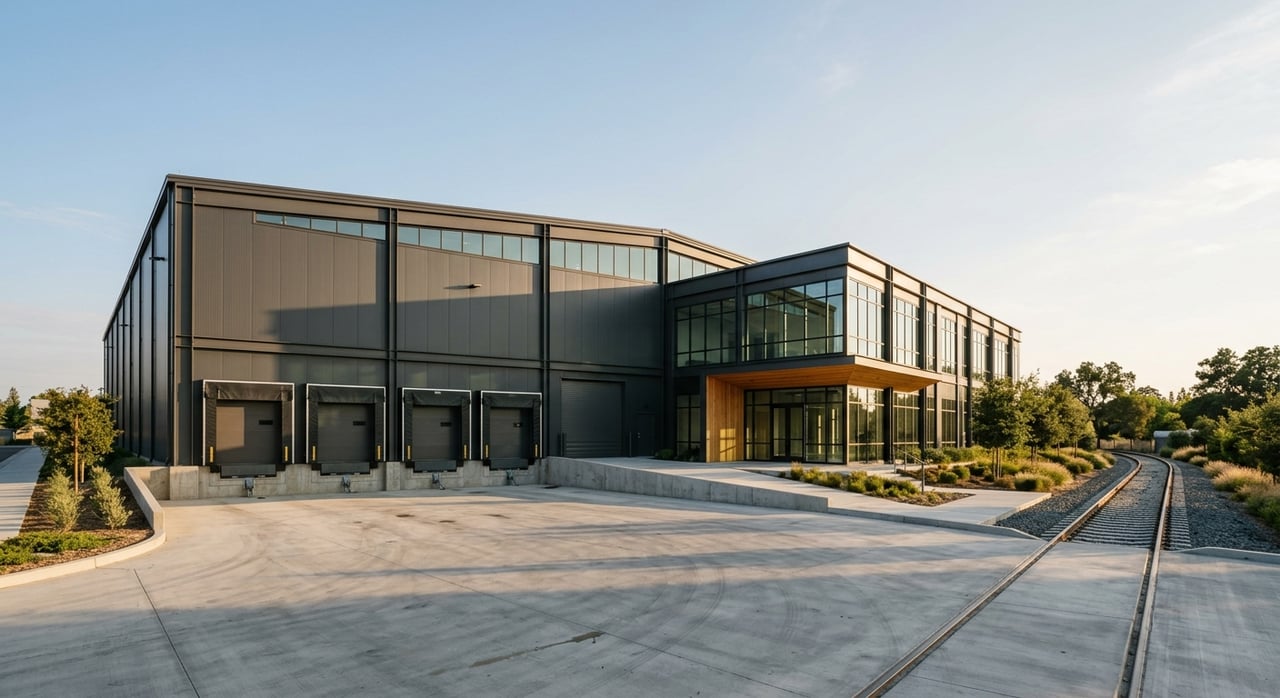
Highway 6 stands out as a road-focused industrial corridor with practical advantages for owner-users, light industrial firms, and companies that want easy truck access without the added complexity of rail-served or airside property. A good example is Lake Waco Business Park near the Speegleville Road on and off-ramp. It is marketed as an 88-acre development in four phases with approximately 3-acre lots.
That project also highlights the kind of features that define the corridor. Site materials mention new three-phase power, water service, fiber internet, pre-engineered stormwater detention, and an ETJ location outside city limits. The same materials cite 97,350 vehicles per month using the on and off-ramp, which supports the corridor’s visibility and access story.
Why Highway 6 may gain strength over time
The Highway 6 story is not only about what is there today. It is also tied to planned road improvements that could make movement easier across the broader Waco market. TxDOT says the SH 6 and Loop 340 segment is being upgraded to a controlled-access four-lane facility with frontage roads and grade separations, including an SH 6 crossing.
TxDOT also notes that this work is intended to relieve bottlenecks and provide an alternative to I-35. In addition, the My35 Waco South project is widening I-35 from South Loop 340 to 12th Street, with completion anticipated in early 2029. For industrial users, that could strengthen connections between Highway 6, west and south Waco, and the city’s central logistics network.
Highway 6 vs Texas Central Park
Texas Central Park strengths
Texas Central Park is the region’s most established large-scale industrial cluster. The City of Waco describes it as a 3,000-acre park with 1,200 acres available for development at I-35, Highway 6, and US 84, served by the Union Pacific mainline. A separate description from the Waco Industrial Foundation gives larger totals, so it is best to view the park as a very large, mature industrial hub rather than rely on one exact acreage figure.
The key difference is scale and ecosystem. Texas Central Park is the better fit when you need large contiguous acreage, rail access, or a location within a dense industrial setting. It also benefits from workforce support, including The WorkSITE training facility on Wycon Drive in the heart of the park.
When Highway 6 may fit better
Highway 6 may be the better choice if your business does not need rail and wants a more manageable footprint. The corridor is especially attractive if road frontage, phased growth, and easier access to west Waco matter more than joining the largest industrial cluster in the market. For many smaller or mid-sized industrial users, that can be a simpler and more practical starting point.
Highway 6 vs Waco International Aviation Park
Aviation Park strengths
Waco International Aviation Park is the strongest comparison when aviation use is part of the business model. The City of Waco says the park is near Texas State Technical College and I-35, offers an all-weather 8,600-foot by 150-foot runway with uncongested airspace, and includes more than 300 acres available for lease on the airport plus a total of 700 acres available for development.
TSTC also emphasizes that its Waco airport is less than one mile from I-35 and points to existing infrastructure, surrounding land availability, and training programs. That creates a strong case for aviation suppliers, technical manufacturers, and companies that want a tighter connection between facilities and workforce training.
When Highway 6 may fit better
If your operation is not tied to runway access or aviation-adjacent workflows, Highway 6 may offer a more straightforward option. You still get strong roadway access, but without the specialized operating environment that often comes with airport property. For light industrial and distribution users, that can mean a simpler site selection process.
Highway 6 vs Waco Regional Airport Industrial Park
Regional Airport strengths
Waco Regional Airport Industrial Park is another airport-linked option, but it serves a different need than the aviation park. The City of Waco describes it as open to businesses of all types and sizes, with ramp-accessible sites connected directly to runways, along with obligated and non-obligated land options, Foreign Trade Zone benefits, and FAA compatibility requirements.
This makes the park more specialized than Highway 6, but also more useful for the right user. If aircraft access, ramp logistics, or airport-linked operations are central to your business, this area deserves close attention.
When Highway 6 may fit better
Highway 6 is often the stronger fit when your operation is road-based rather than airport-based. If your priorities are truck access, frontage, utility-ready lots, and room for phased growth, Highway 6 usually offers a cleaner match. It is less specialized, which can be an advantage if your business model is straightforward.
A simple way to compare Waco industrial locations
The clearest planning lens is to separate four questions:
- Do you need strong road access?
- Do you need freight rail access?
- Do you need airside or runway access?
- How much land and expansion room do you need?
Waco’s industrial market offers all four somewhere in the system, but usually not on the exact same site. That is why corridor selection matters so much. The best location is the one that matches how your business moves goods, serves customers, and plans for growth.
Best fit by business priority
Choose Highway 6 if you want
- Visible road frontage
- Manageable lot sizes
- Phased expansion potential
- Utility-ready industrial sites
- Access to west Waco without needing rail or airport features
The Lake Waco Business Park example shows these strengths clearly. With approximately 3-acre lots, ETJ location, and utility infrastructure already highlighted in marketing, the corridor appears especially practical for light industrial users and growing companies.
Choose Texas Central Park if you want
- Rail-served industrial property
- Large-scale development potential
- An established industrial ecosystem
- Access to a major industrial cluster
This is the strongest option when scale and rail matter more than frontage along Highway 6.
Choose Waco International Aviation Park if you want
- Runway access
- Proximity to TSTC
- Aviation or technical manufacturing alignment
- Site selection tied closely to training resources
This corridor is most compelling when your operation benefits directly from aviation infrastructure.
Choose Waco Regional Airport Industrial Park if you want
- Airport adjacency
- Ramp-accessible sites
- Foreign Trade Zone-related benefits
- A site designed around aircraft-linked logistics
This is the right comparison when airport function is central to your operation, but a dedicated aviation campus is not necessarily required.
One important note about rail in Waco
In industrial site selection, rail in Waco should be viewed mainly as a freight issue. Passenger rail is limited, with the Amtrak stop located in McGregor about 18 miles west. So when a Waco industrial site promotes rail adjacency, the practical takeaway is freight connectivity, not commuter convenience.
How to narrow your shortlist
Before you choose a corridor, it helps to define your non-negotiables. Start with your transportation needs, then look at lot size, utility readiness, and how much flexibility you want for future growth. Once those are clear, it becomes much easier to tell whether Highway 6 or another Waco industrial district is the better fit.
For many businesses, Highway 6 is appealing because it offers a middle ground. It can provide visibility, truck access, and manageable development footprints while still connecting into Waco’s broader industrial network. If your operation is road-driven and growth-minded, it deserves a close look.
If you are weighing industrial options in Waco or across Central Texas, Kelly Realtors Commercial can help you compare sites, evaluate corridor fit, and make a decision that supports your next phase of growth.
FAQs
What makes Highway 6 different from other Waco industrial locations?
- Highway 6 is more road-centric than rail-centric, with strengths in frontage, truck access, manageable lot sizes, utility availability, and phased growth potential.
Is Highway 6 a good fit for businesses that need rail access in Waco?
- Highway 6 may work for road-based operations, but Texas Central Park is the stronger fit when freight rail access is a top priority.
Which Waco industrial area is best for aviation-related businesses?
- Waco International Aviation Park is the strongest option for businesses that benefit from runway access, aviation infrastructure, and proximity to TSTC training resources.
How does Highway 6 compare with Waco airport industrial sites?
- Highway 6 is generally better for companies focused on truck access and visibility, while airport sites are more specialized for airside, ramp, or aircraft-linked operations.
Why do future road projects matter for Highway 6 in Waco?
- TxDOT projects on SH 6, Loop 340, and I-35 are intended to reduce bottlenecks and improve broader network access, which may strengthen the corridor’s long-term industrial appeal.